
Best Dermatologist and Skin Specialist in Delhi

18 September, 2025 | Dr. Kiran Gupta
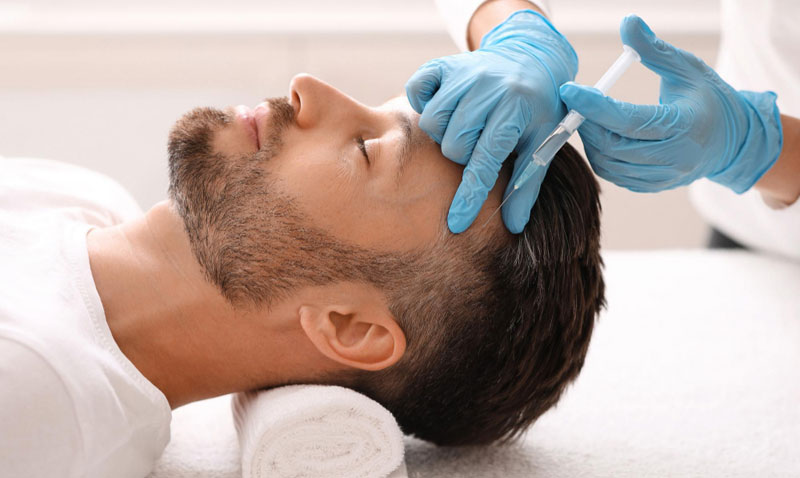
For most patients, thinning and hair loss problems are not just something considered to be cosmetic but something that affects self-esteem and life quality altogether. Platelet-Rich Plasma (PRP) leads in combating hair loss in the most regenerative way by stimulating the body’s natural systems. This article discusses how PRP works, provides reasons and mechanisms it employs better or worse when compared with other techniques, and explains how best to tackle PRP for constructive results.
PRP is concocted with a small aliquot of blood. At the same time, Blood is centrifuged to concentrate metabolically active platelets teeming with platelet-derived growth factors VEFG, PDGF, IGF-1, EFG, injected into the scalp, they then rouses dormant follicles, good microcirculation, stem cell stimulation, and an active (anagen) phase of hair growth, ultimately aiming to give the thickest and most intense hair volume.
| Treatment | Advantages | Disadvantages |
|---|---|---|
| Topical treatment (Minoxidil) | Affordable, easy to use | Requires daily application |
| Oral medications (Finasteride) | Most effective | Possible side effects |
| Hair transplant | Permanent graft | Invasive, expensive |
PRP Therapy is Natural, minimally invasive. Results are very variable or session dependent, expensive, and short-term. PRP is often used as an adjunct to some treatments, such as minoxidil, to create more synergy; however, PRP is generally the treatment alternative for many patients.
Normally, 3–4 sessions a month apart are classified as an initial treatment, followed by maintenance every 4–6 months.
Gradual improvements usually start 2–3 months post-treatment, with visible full results at about 4–6 months._
You will feel a little pinprick; however, most clinics provide a very good numbing cream before offering the treatment to help the situation.
Clinical trials have shown that the others affect such outcomes, with gains of about 30 hairs per centimetre and a smoother scalp appearance.
Definitely. This treatment uses your own blood and causes minimal risk of allergy.
Best for a person with pattern balding and early-onset shedding. No or very little help is acceptable for bald spots.
Yes; it boosts graft survival, shortens healing periods, and gives rise to vascular graft support.
The PRP therapy regimen promises some strong luck in becoming a natural, effective weapon in the druggist’s trunk for balding treatment. With directed application and a patient approach, many patients find the way back to restore not merely hair but their sense and control of the appearance.
As Platelet Rich Plasma Therapy holds immense potential for treating hair loss, we at our specialized skin clinic provide highly advanced PRP treatment for hair loss in delhi at Dermavisionis, With a science backed approach and expert solutions for different hair loss conditions, we offer a range of clinically proven PRP injectable solutions that helps you get thicker, fuller and healthier hair,
Category : PRP Treatment
Tags: how prp works , pattern balding , Platelet-Rich Plasma , prp treatment for hair loss in delhi
Address : C-61A Upper Ground Floor. Rajan Babu Road Adarsh Nagar Delhi- 110033 (Opposite Dot Gallery)
*Disclaimer: The information in the www.dermavisionclinic.com is provided for informational and educational purposes only and is not meant to substitute the advice provided by your Dermatologist. You should not use the information available on or through the website for diagnosing or treating a health problem or disease. All images used on this website are for illustrative purposes only, actual results and process may vary.