
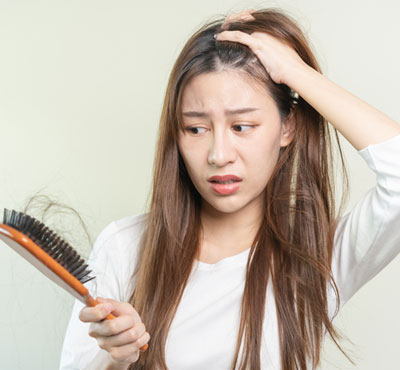
Understanding Hair Fall
Normal everyday hair fall, that's what it is. An individual loses approximately 50 to 100 strands per day; however, if the fall of hair surpasses usual or is noticed by way of thinning or patchy bald spots, then it becomes a matter of concern. Some causes behind hair fall are genetics, hormonal changes, nutritional deficiencies, stress, diseases, and even environmental damage. This process starts with consulting a dermatologist or trichologist after the identification of the root cause of hair fall.
Common Causes of Hair Fall
- Androgenetic Alopecia - This is one of the most common causes of hair loss and is a hereditary condition. It is usually known as male or female pattern baldness.
- Telogen Effluvium - Is usually a stress-related, illness-related, or hormonal imbalance-related transitory condition that leads to general hair thinning.
- Alopecia Areata - It is an autoimmune disorder in which the hair follicles that are responsible for patchy hair loss are attacked by the body's immune system.
- Nutritional Deficiencies - It is a case of not having the availability of some nutrients like iron, biotin, and proteins which make the hair follicles weak and cause the hair to lose one's hair ultimately.
- Medical Conditions - The causes include thyroid gland hormonal imbalance, PCOS, and infection of the scalp.
- Lifestyle Factors - High heating in style, strong chemicals used in hair treatments, and bad hair care contribute to hair breaking.
Non-Surgical Hair Fall Treatments
Most patients suffering from hair fall are treated with non-surgical methods that improve the growth of hair.
- Medications:-
- Minoxidil - It is topical and is applied directly to the scalp to increase follicles to re-grow.
- Finasteride - This is the tablet form of drug administration used to inhibit the growth of the hormone responsible for causing hair fall in male subjects.
- Nutritional Supplements - Supplements - Biotin, zinc, iron, and supplements of vitamin D and E help in strengthening hair and prevent shedding.
- Hair Care Products - Shampoos, conditioners, and serums that prevent hair fall and promote scalp health are very helpful as well.
- PRP Therapy - In this therapy, the person's own plasma rich in platelets is injected into the scalp to stimulate hair growth and increase hair density.
- Laser Therapy - Low-level laser therapy that does not involve surgical instruments uses light energy to induce hair growth by stimulating the follicles.
- Scalp Treatments - Scalp massage and scalp treatments mainly increase blood circulation, and nutrition to the hair follicles, and also help reduce stress, which causes hair fall.
