
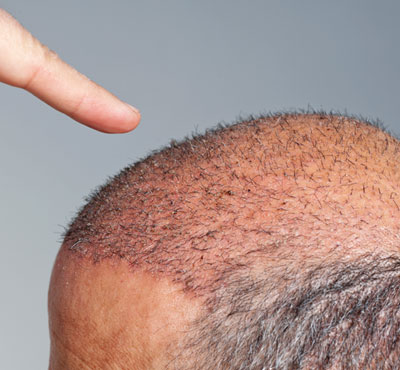
Overview of Hair Transplantation
A minimally invasive surgical operation that is virtually painless, hair transplantation involves transferring hair follicles from an intended recipient region to a receptor region — that is, an area where hair is also deficient. The transplanted hair integrates in perfectly with the surrounding hair and grows naturally and permanently.
In hair transplantation, the following primary techniques are employed:-
Follicular Unit Transplantation (FUT) - In this technique, a segment of scalp skin is excised from the donor site, typically from the back or the sides of the cranium. The strip is divided into discrete follicular units and transplanted in the recipient region. Due to its accuracy and high graft survival rate, FUT is recognized.
Follicular Unit Extraction (FUE) - In the graft of a FUE, hair follicles are extracted through micro-punch technology from the donor site directly. These follicles are then implanted into the balding areas. FUE is less unnatural than FUT, i.e., minimal scarring and shorter recovery time.
Both techniques are successful and the selection is influenced, for example, by the degree of alopecia, by the preference of the patient, and also by the surgeon's indication.
Benefits of Hair Transplantation
Hair transplants offer several benefits beyond improving one’s appearance:-
- Permanent Results - In contrast to short-term interventions, a hair transplant offers a permanent (not temporary) answer for hair loss.
- Natural Look - The patient's own hair is used, thus providing a natural look, as the transplanted hair becomes part of the natural strands.
- Boosted Confidence - A full head of re-growing hair is a powerful tool for boosting self-esteem, confidence, and body image.
- Low Maintenance - After transplantation, the transplanted hair grows naturally and does not need any special treatment other than ordinary grooming.
- Cost-Effective - While the upfront cost may be high, the permanent nature of the results makes it more economical in the long term compared to ongoing hair loss treatments.
The Hair Transplant Procedure
A hair transplant typically follows these steps:-
- Consultation - The procedure involves an extensive consultation during which the surgeon examines the patient's scalp, analyzes the medical history, and decides on the treatment.
- Preparation - On the day of the surgery, the donor and recipient areas are cleaned, and local anesthesia is administered to ensure a pain-free experience.
- Harvesting Hair Follicles - This process of extraction is done based on the method selected (FUT or FUE) extracting hair follicles from the donor area.
- Implantation - Trillions of tiny incisions in the recipient bed are performed and the harvested follicles are placed (with the utmost care). It is positioned to replicate the natural hair growth cycle.
- Post-Operative Care - At the end of the procedure, the patient is provided with comprehensive post-operative care instructions and detailed information regarding prophylaxis of infection and healing.
Hair Transplant Recovery & Results
Reconstruction after a hair transplant is different, depending on the technique adopted. Here’s what to expect:-
- Immediate Recovery - Swelling and mild pain accompany for the initial few days, but are alleviated by prescribed medications.
- Shedding Phase - The transplanted hairs can naturally lose them after a few weeks and is an inherent part of the process. New hair growth starts after about 3 months of the procedure.
- Visible Results - Most patients see significant improvement within 6 to 12 months, with full results visible after a year.
