
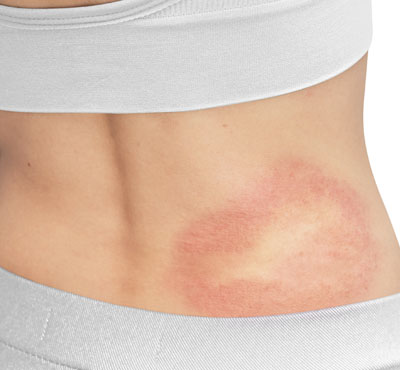
What Are Hives?
Owing to the histamine release and other mediators along the wall of blood vessels, hives cause bleeding and spilling of blood to the skin surface, and these releases cause oedema, erythema, and the development of wheels, classified into two main types:-
- Acute Urticaria - It is a fleeting status <6 weeks) and frequently triggered by allergies, infection, or pharmacotherapy.
- Chronic Urticaria - It may take longer than 6 weeks and is of unknown origin in most cases.
They are all distressing but may be alleviated by appropriate treatment.
Symptoms of Hives
The most recognizable symptoms of hives include:-
- Shiny, deep red or pale yellow lesions, which may be itchy, sore or burning.
- Lesions of varying sizes aggregate to form larger lesions in a proportion of cases.
- Lip, eyelid, or throat oedema in severe cases (Angioedema).
- Patches, which can appear and disappear, and which, at times, move to other parts of the body.
The severity of symptoms can also differ, ranging from mild itchiness in some patients to intense pruritus in others.
Causes of Hives
Hives can be caused by several factors, such as:-
- Allergic Reactions - Foods including nuts, shellfish, eggs, and some fruit, as well as allergens including pollen, pet dander, and insect stings.
- Medications - Antibiotics, aspirin, and NSAIDs are common culprits.
- Infections - Viral infections (e.g., the common cold) and bacterial infections can occur to produce hives.
- Environmental Triggers - Extreme temperature, UV, or pressure on the skin.
- Underlying Conditions - Chronic hives may be triggered by autoimmune diseases and continuous stress.
Diagnosis of Hives
At Dermavision - The Skin Clinic, diagnosis of hives begins with:-
- Medical History - Understanding the patient’s symptoms, lifestyle, and potential triggers.
- Physical Examination - Inspecting the skin for characteristic welts and swelling.
- Allergy Testing - Identifying potential allergens through skin prick or blood tests.
- Additional Tests - Therapists diagnosed subclinical, recurring diseases, e.g., autoimmune diseases, thyroid dysfunctions, and infections in chronic patients.
Treatment & Management of Hives
Treating hives involves addressing the symptoms and managing triggers. The approach may include:-
- Antihistamines - Over-the-counter (OT) or prescription antihistamines are first-line therapy to block histamine action.
- Corticosteroids - Corticosteroids can be indicated as a short-term therapy to decrease inflammation under conditions of advanced disease.
- Avoiding Triggers - Stopping recognized provocateurs is vital to avoid recurrences.
- Omalizumab (Xolair) - It is an injectable drug that finds use in the treatment of chronic Urticaria unresponsive to antihistamine therapy.
- Cool Compresses - Relieves itching and reduces swelling.
- Lifestyle Adjustments - Symptom control can be achieved through stress control, irritation avoidance, and loose clothing.
Our dermatologists provide customized treatment plans that achieve the best results.
