
Best Dermatologist and Skin Specialist in Delhi

23 January, 2026 | Dr. Kiran Gupta
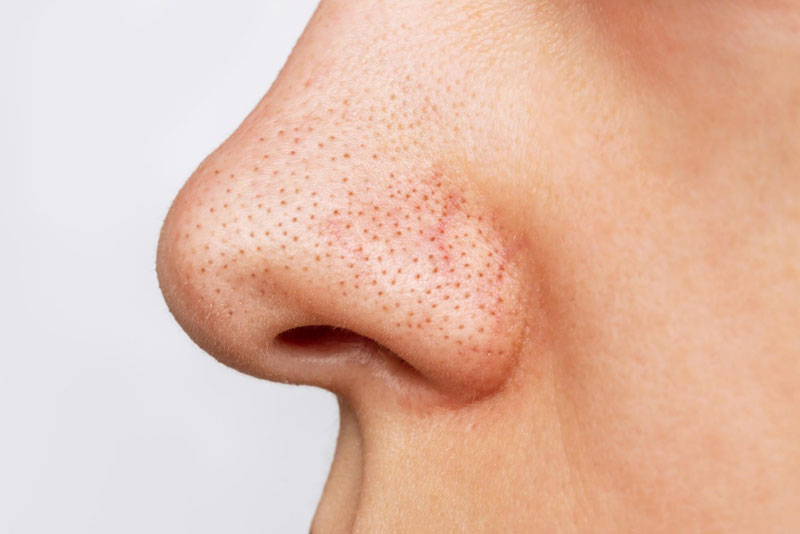
Pigmentation can appear anywhere on the body, including the face. Pigmentation on the nose is very common. Many people notice the skin around the nose looks darker or uneven than the rest of the face. While it may look worrying, it is usually harmless and treatable.
The nose is often the first part of the face to show pigmentation because it is the most exposed area. If you are dealing with this issue and wondering why it happens and what really works, this article will help you understand everything in detail.
The skin on the nose behaves differently from other areas of the face. Dermatologists often notice that pigmentation starts on the nose before spreading elsewhere. The main reasons are:
Because of these factors, pigmentation on the nose becomes more visible and stubborn.
Pigmentation happens when melanin is produced in excess. On the nose, this can be triggered by many reasons, including:
Identifying the type of pigmentation is important for choosing the right treatment.
A consultation with a skin specialist in Delhi helps identify the exact type.
Home remedies may soothe the skin but cannot remove deep pigment from the nose. The skin here is thicker and pigmentation often lies deeper. Relying only on DIY remedies can delay proper treatment and worsen the condition.
At the best skin clinic in Delhi, dermatologists use advanced, safe treatments based on the depth and cause of pigmentation.
You should consult a best dermatologist in Delhi if:
Early treatment prevents pigmentation from becoming permanent.
Dr. Kiran Gupta is a highly experienced skin specialist in Delhi and is known for personalized, result-driven care. At Dermavision, patients receive an accurate diagnosis of pigmentation along with customized treatment plans in a safe, medically supervised environment.
If you are looking for the best skin clinic in Delhi for safe and effective nose pigmentation treatment, Dermavision.
Pigmentation on the nose may be common, but with the right treatment, clear and even skin is absolutely possible – start the right care today.
Category : Pigmentation Treatment
Tags: Causes Nose Pigmentation , Pigmentation on the Nose , Pigmentation Treatment Delhi
Address : C-61A Upper Ground Floor. Rajan Babu Road Adarsh Nagar Delhi- 110033 (Opposite Dot Gallery)
*Disclaimer: The information in the www.dermavisionclinic.com is provided for informational and educational purposes only and is not meant to substitute the advice provided by your Dermatologist. You should not use the information available on or through the website for diagnosing or treating a health problem or disease. All images used on this website are for illustrative purposes only, actual results and process may vary.